




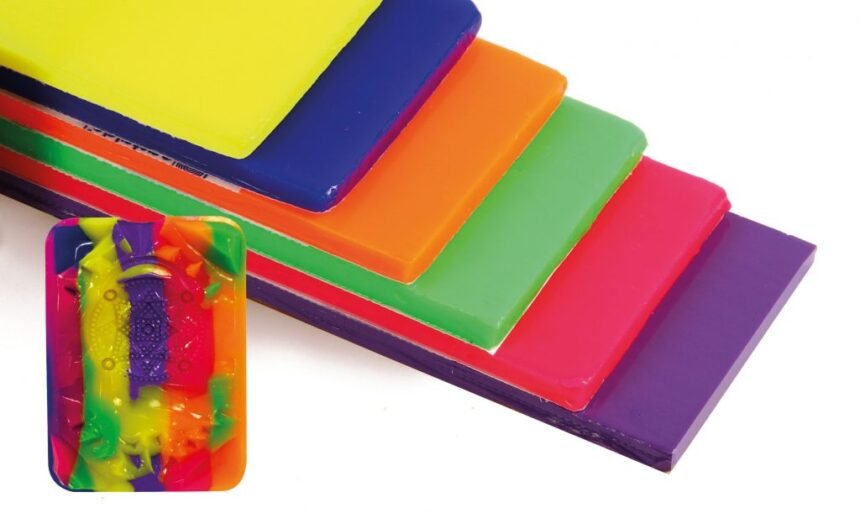

Rubber molding produces custom components for many industries. The process shapes rubber into precise parts, and it supports both small prototypes and large orders. Because material selection, molding technique, and equipment all influence the final result, manufacturers adjust each project to match specific client requirements.
Selecting the Right Materials
Material choice shapes the performance of every molded part. Options include natural rubber, neoprene, nitrile, Viton, EPDM, SBR, and silicone, and each one offers distinct properties. Because certain materials resist heat, chemicals, or oil, the correct selection depends on the intended application, and rubber molding accommodates this range of choices. Different rubber compounds provide different performance characteristics, and manufacturers select materials based on the application.
EPDM is available in both dense and foam forms, and this variety extends the options for a given part. The molding operation maintains in-depth knowledge of materials and continually incorporates new technologies, and this practice keeps a wide range of materials available for each project. Because material demands differ across automotive, appliance, military, solar, consumer, and medical work, the correct compound varies from one order to the next. Clients review material options with the manufacturer before production begins.
Applying Proven Molding Techniques
Three techniques handle different production needs. Injection, transfer, and compression molding each introduce rubber into the mold in a distinct way, and the choice depends on part design and volume. The process starts with a mold shaped like the final product; the mold usually consists of two pieces that fit together, and the rubber enters as an injected, poured, or solid form depending on the technique. Heat and pressure then shape the rubber within the mold, and the part cures before removal. Because each mold matches the shape of the final product, the finished component reflects the design with accuracy.
Rubber injection molding takes place in a dedicated facility separate from plastic injection molding, and this separation supports focused production. Because the method varies with the part, this range of techniques accommodates both large quantities of rubber pieces and specialized components. This structured approach delivers consistent parts across varied applications.
Using Advanced Molding Equipment
Equipment quality determines the precision of each finished part. Horizontal presses with a clamping force of up to 400 tons produce components with tight tolerances, and this capacity supports both simple and complex geometries. Inspection includes optical comparators that verify dimensions, while durometer gauges test material hardness. Skilled technicians operate this equipment, and the combination supports reliable output. Production volumes range from prototypes to full production runs.
Meeting Industry Standards
Certified standards guide the molding process from start to finish. The operation holds IATF16949:2016 certification, follows ASTM guidelines, and meets Rubber Manufacturers Association requirements. Staff holds Six Sigma Yellow, Green, and Black Belt certifications, and these credentials support disciplined workflows. Certified processes support quality throughout production. This framework serves clients in automotive, appliance, military, solar, consumer, and medical industries.
Expanding With Additional Services
A single-source approach reduces the number of suppliers a client manages. Beyond molding, the operation provides printing, assembly, packaging, and kitting, and it also handles CNC turning, die cutting, and milling. Because rubber extrusion pushes material through specially designed dies, it produces durable custom shapes, and this service complements molded parts. Technicians work closely with clients to match final products to written specifications. These combined services support projects of many sizes.
Request a Custom Rubber Molding Quote
Custom rubber molding adapts to the exact needs of each project. The process pairs a range of materials with proven techniques, and advanced equipment delivers precise results. Because certified standards and added services support every order, clients receive components built to their specifications. Contact a rubber molding team to discuss your next project and request a quote.