




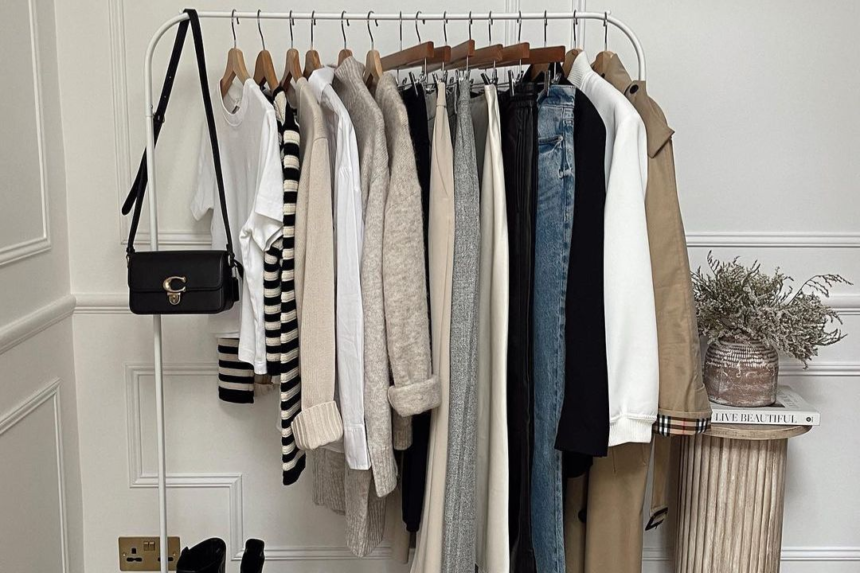

Fashion trends change every season, but a minimalist wardrobe never goes out of style. Many people feel stressed when their closet is full of clothes but they still think they have “nothing to wear.” A minimalist wardrobe solves this problem by helping you keep only the clothes you truly love, wear often, and can easily mix and match.
Building a minimalist wardrobe does not mean wearing boring outfits or owning only a few pieces. It means choosing simple, comfortable, and timeless clothing that fits your lifestyle. The goal is to make getting dressed easier, save money, reduce waste, and feel more confident in your personal style.
In this article, you will learn step-by-step how to build a minimalist wardrobe in an easy and practical way.
What Is a Minimalist Wardrobe?
A minimalist wardrobe is a small collection of clothes that work well together. Instead of owning many items you rarely wear, you focus on quality, comfort, and versatility.
Most minimalist wardrobes include:
- Basic tops and shirts
- Comfortable jeans or trousers
- Simple jackets or coats
- Neutral colors
- Shoes for daily use
- A few seasonal pieces
The idea is to create many outfits with fewer clothes.
For example, one white shirt can be worn with jeans, trousers, skirts, or layered under a jacket. This makes your wardrobe more useful and organized.
Why People Choose a Minimalist Wardrobe
Many people are now moving toward minimalist fashion because it offers several benefits.
Saves Time
You spend less time deciding what to wear every morning because every piece matches easily.
Saves Money
Instead of buying trendy clothes every month, you invest in fewer high-quality items that last longer.
Reduces Stress
A clean and organized closet feels calmer and easier to manage.
Helps the Environment
Fast fashion creates a lot of waste. Buying fewer clothes helps reduce pollution and unnecessary shopping.
Improves Personal Style
You learn what truly suits you instead of following every trend.
Step 1: Clean Out Your Closet
The first step is to look at everything you own.
Take all your clothes out and divide them into categories:
- Keep
- Donate
- Sell
- Recycle
Ask yourself these simple questions:
- Do I wear this often?
- Does it fit me well?
- Do I feel confident wearing it?
- Can I match it with other clothes?
If the answer is “no,” it may be time to let it go.
Be honest with yourself. Many people keep clothes because they were expensive or because they might wear them “someday.” A minimalist wardrobe focuses on your real life, not imaginary situations.
Step 2: Choose Your Style
Before buying or keeping clothes, understand your personal style.
Some people prefer:
- Casual style
- Professional style
- Sporty style
- Classic style
- Modern style
Look at the clothes you wear most often. You will notice patterns in colors, fabrics, and designs.
Choose clothing that makes you feel comfortable and confident. Minimalism is not about copying someone else’s wardrobe. It is about creating one that fits your daily life.
For example:
- If you work in an office, you may need more formal clothes.
- If you work from home, casual basics may be enough.
- If you travel often, comfortable and wrinkle-free clothing may be important.
Step 3: Focus on Neutral Colors
Minimalist wardrobes usually use neutral colors because they are easy to combine.
Popular neutral colors include:
- Black
- White
- Gray
- Beige
- Navy
- Brown
These colors work together naturally and help create simple outfits.
You can still add a few colorful pieces if you enjoy color. The key is balance. Too many bright patterns can make matching outfits difficult.
A simple color palette makes your wardrobe look cleaner and more organized.
Step 4: Buy Quality Over Quantity
One of the biggest mistakes people make is buying cheap clothes that wear out quickly.
A minimalist wardrobe focuses on quality instead of quantity.
When shopping, pay attention to:
- Fabric quality
- Comfort
- Fit
- Durability
- Timeless design
Good-quality clothes may cost more at first, but they usually last longer and save money over time.
Try to avoid impulse shopping. Before buying something, ask yourself:
- Will I wear this often?
- Does it match my current wardrobe?
- Do I really need it?
If not, skip it.
Step 5: Build a Strong Foundation
Every minimalist wardrobe needs basic pieces that can be worn in many ways.
Here are some common essentials:
Tops
- Plain T-shirts
- White button-up shirt
- Neutral sweaters
- Simple blouses
Bottoms
- Blue jeans
- Black trousers
- Comfortable leggings
- Simple skirts
Outerwear
- Denim jacket
- Blazer
- Neutral coat
- Cardigan
Shoes
- White sneakers
- Comfortable flats
- Boots
- Simple sandals
Accessories
- Basic handbag
- Watch
- Belt
- Minimal jewelry
You do not need all these items immediately. Build your wardrobe slowly over time.
Step 6: Learn to Mix and Match
The secret of a minimalist wardrobe is versatility.
Each item should work with several others. This allows you to create many outfits using fewer clothes.
For example:
- A black blazer can be worn with jeans, dresses, or office trousers.
- White sneakers can match casual and semi-formal outfits.
- Neutral sweaters can be layered in winter or worn alone in cool weather.
When shopping, think about how many outfits you can create with one item.
If a piece only works with one outfit, you may not need it.
Step 7: Avoid Fast Fashion Trends
Fashion trends change quickly. What is popular today may disappear next season.
Minimalism focuses on timeless fashion instead of temporary trends.
Classic clothing styles usually stay fashionable for years. Examples include:
- Straight jeans
- Plain shirts
- Neutral coats
- Black dresses
- White sneakers
This does not mean you can never enjoy trends. You can still add trendy accessories or seasonal items, but keep your main wardrobe simple and long-lasting.
Step 8: Organize Your Closet
Once you reduce your clothing, organizing becomes easier.
Arrange your clothes neatly by category or color. A clean closet helps you see everything clearly and avoid buying duplicates.
You can also:
- Fold clothes properly
- Use matching hangers
- Store seasonal items separately
- Keep shoes organized
A tidy wardrobe creates a peaceful feeling and makes daily life easier.
Step 9: Shop More Carefully
Minimalism changes the way you shop.
Instead of shopping for entertainment, shop with purpose.
Before buying something new:
- Make a list of what you actually need
- Set a budget
- Compare quality
- Think long term
Some people follow the “one in, one out” rule. This means if you buy one new item, you remove one old item from your wardrobe.
This helps prevent clutter from returning.
Step 10: Be Patient With the Process
Building a minimalist wardrobe takes time. You do not need to throw everything away overnight.
Start slowly:
- Declutter one section at a time
- Replace old items gradually
- Discover what works best for you
Minimalism is not about perfection. It is about creating a wardrobe that supports your lifestyle and makes you feel good.
Over time, you will notice that having fewer clothes can actually give you more freedom, less stress, and better style.
Final Thoughts
A minimalist wardrobe is more than just a fashion trend. It is a smart and simple way to live with less clutter and more intention. By choosing versatile, comfortable, and high-quality clothing, you can make dressing easier and more enjoyable every day.
You do not need a huge closet to look stylish. With the right basics, neutral colors, and thoughtful shopping habits, you can create a wardrobe that feels organized, practical, and timeless.
The best minimalist wardrobe is one that reflects your personality and fits your everyday life. Start small, stay consistent, and enjoy the simplicity that comes with owning less but wearing more.
Frequently Asked Questions (FAQs)
1. How many clothes should a minimalist wardrobe have?
There is no fixed number. Some people have 30 pieces, while others may have 60 or more. The goal is to own only what you truly wear and need.
2. Can a minimalist wardrobe include colors?
Yes, absolutely. Neutral colors are common because they are easy to match, but you can still include your favorite colors and patterns.
3. Is a minimalist wardrobe expensive?
Not necessarily. You may spend more on quality pieces at first, but you usually save money over time by buying fewer clothes.
4. Can I follow fashion trends with a minimalist wardrobe?
Yes. You can add a few trendy accessories or seasonal items while keeping your main wardrobe simple and timeless.
5. How long does it take to build a minimalist wardrobe?
It depends on your lifestyle and goals. Some people build it in a few months, while others take years to slowly create the perfect collection.