




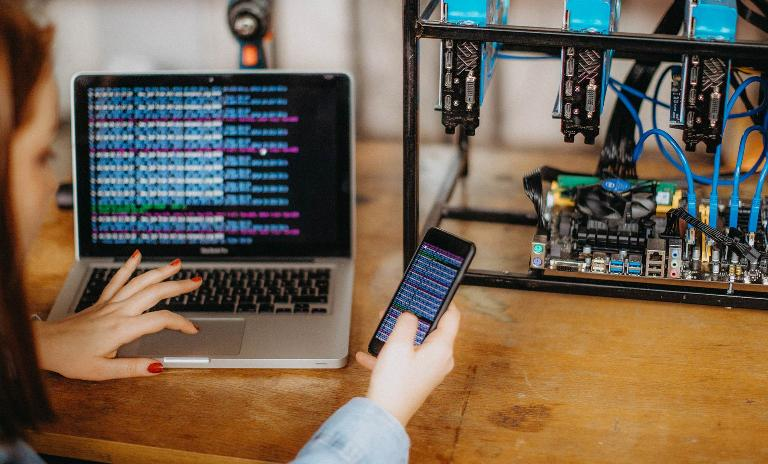

Blockchain technology has become one of the most talked-about innovations in the digital world. From cryptocurrencies like Bitcoin to online security and smart contracts, blockchain is changing how people store and share information. Even though many people hear the word “blockchain,” they often think it is too technical or difficult to understand. In reality, the basic idea is simple.
Blockchain is a digital system that records information in a secure and transparent way. Instead of storing data in one central place, blockchain shares it across many computers. This makes the system safer, harder to hack, and more trustworthy.
In this article, you will learn how blockchain technology works step by step in easy language.
What Is Blockchain Technology?
Blockchain is a digital ledger that stores records called “blocks.” These blocks are connected together in a chain. Every block contains information, and once the data is added, it becomes very difficult to change or delete it.
Think of blockchain like a notebook shared with thousands of people. Whenever someone writes a new entry, everyone gets an updated copy. Because all copies match, cheating becomes almost impossible.
Blockchain technology was first introduced with Bitcoin in 2009, but today it is used in many industries such as banking, healthcare, education, supply chain management, and online voting systems.
Step 1: A Transaction Begins
The first step in blockchain technology is creating a transaction. A transaction can be anything involving digital information.
For example:
- Sending cryptocurrency to someone
- Recording medical data
- Signing a digital contract
- Tracking a product delivery
Imagine Ali wants to send 1 Bitcoin to Ahmed. Ali enters Ahmed’s wallet address and clicks “send.” This action creates a transaction request.
The blockchain network now needs to verify if this transaction is real and valid.
Step 2: The Transaction Is Shared with the Network
After the transaction is created, it is sent to a network of computers called nodes.
Nodes are computers connected to the blockchain system. These computers work together to check and store information.
Instead of relying on one central server, blockchain depends on many nodes spread across the world. Every node receives the transaction details.
This decentralized system is one of the biggest strengths of blockchain technology because there is no single point of failure.
Step 3: The Network Verifies the Transaction
Now the blockchain network checks whether the transaction is valid.
The nodes confirm important details such as:
- Does the sender have enough balance?
- Is the digital signature correct?
- Has the transaction already been used before?
This process prevents fraud and double spending.
Different blockchain systems use different verification methods called consensus mechanisms. The two most common are:
Proof of Work (PoW)
In this system, computers solve complex mathematical problems to verify transactions. This method is used by Bitcoin.
Proof of Stake (PoS)
In this system, users lock their coins as a guarantee to help verify transactions. It uses less energy compared to Proof of Work.
Once the network agrees that the transaction is valid, the process moves to the next step.
Step 4: A New Block Is Created
After verification, the transaction is grouped with other verified transactions into a new block.
Each block contains:
- Transaction details
- Time and date
- A unique code called a hash
- The hash of the previous block
The hash acts like a digital fingerprint. Even a tiny change in the data creates a completely different hash.
This connection between blocks creates the “chain” in blockchain.
Step 5: The Block Is Added to the Blockchain
Once the block is complete, it is added to the existing blockchain.
The new block connects securely to the previous block through its hash. This creates a permanent and chronological chain of records.
Because every block is linked to the one before it, changing old information becomes extremely difficult.
If a hacker tries to change one block, they would also need to change all following blocks across thousands of computers at the same time. This is nearly impossible.
That is why blockchain is considered highly secure.
Step 6: The Transaction Is Completed
After the block is added to the blockchain, the transaction is officially complete.
Ahmed receives the Bitcoin from Ali, and the transaction becomes part of the permanent blockchain record.
Everyone on the network can view the transaction, but personal identities usually remain hidden behind wallet addresses.
This balance between transparency and privacy makes blockchain unique.
Why Blockchain Is Secure
Blockchain technology is trusted because of its strong security features.
Decentralization
Data is stored across many computers instead of one central server. This reduces the risk of hacking.
Encryption
Blockchain uses advanced cryptography to protect information and verify transactions.
Immutability
Once data is added to the blockchain, it cannot easily be changed or deleted.
Transparency
Every transaction can be tracked and verified by network participants.
These features make blockchain useful for industries that require trust and security.
Real-World Uses of Blockchain
Many people think blockchain is only about cryptocurrency, but its applications are much larger.
Banking and Payments
Banks use blockchain for faster and cheaper international money transfers.
Healthcare
Hospitals can safely store patient records and share them securely with doctors.
Supply Chain Management
Companies track products from factories to customers using blockchain technology.
Smart Contracts
Smart contracts are digital agreements that automatically execute when conditions are met.
For example, a payment can automatically release after a product is delivered.
Voting Systems
Blockchain can help create secure and transparent online voting systems.
Advantages of Blockchain Technology
Blockchain offers many benefits that make it valuable in today’s digital world.
Better Security
Its decentralized and encrypted structure makes hacking very difficult.
Improved Transparency
Transactions are visible and traceable on the network.
Faster Transactions
Blockchain reduces delays caused by banks and middlemen.
Lower Costs
Businesses can save money by removing third-party services.
Increased Trust
Because records cannot easily be changed, users trust the system more.
Challenges of Blockchain Technology
Even though blockchain has many advantages, it also faces some challenges.
High Energy Usage
Some blockchain systems, especially Proof of Work, consume large amounts of electricity.
Slow Processing Speed
Large blockchain networks can sometimes process transactions slowly.
Complex Technology
Many people still find blockchain difficult to understand and use.
Government Regulations
Different countries have different laws regarding blockchain and cryptocurrency.
Despite these challenges, blockchain technology continues to grow rapidly.
The Future of Blockchain
Experts believe blockchain will become a major part of the future digital economy.
Many industries are exploring ways to use blockchain for better security, transparency, and efficiency. Governments, banks, and technology companies are investing heavily in blockchain solutions.
In the coming years, blockchain may improve:
- Online identity verification
- Digital banking
- Data protection
- International trade
- Real estate transactions
- Education certificates
As technology develops, blockchain could become as common as the internet itself.
Conclusion
Blockchain technology works by recording information in connected digital blocks stored across a decentralized network. Every transaction goes through a step-by-step verification process before becoming a permanent part of the blockchain.
The system is secure, transparent, and difficult to manipulate. These features make blockchain valuable for cryptocurrencies, banking, healthcare, supply chains, and many other industries.
Although blockchain still faces some challenges, its future looks promising. As more businesses and governments adopt this technology, blockchain is likely to transform the way people exchange information and value online.
Understanding blockchain step by step helps remove the confusion around it. At its core, blockchain is simply a smarter and safer way to store and share digital information.
FAQs
1. What is blockchain in simple words?
Blockchain is a digital system that stores information in connected blocks across many computers. It keeps records secure, transparent, and difficult to change.
2. Why is blockchain considered secure?
Blockchain uses encryption, decentralization, and linked blocks to protect data from hacking and fraud.
3. Is blockchain only used for cryptocurrency?
No. Blockchain is also used in healthcare, banking, supply chains, voting systems, and smart contracts.
4. What is a block in blockchain?
A block is a digital record that stores transaction data, time details, and a unique hash code.
5. What is the main purpose of blockchain technology?
The main purpose of blockchain is to create secure, transparent, and trustworthy digital records without needing a central authority.